If you’ve recently started looking into gut health, you’ve probably found yourself thinking:
“Where do I even start?”
With so much conflicting advice online, cut this, add that, take supplements, it’s easy to feel overwhelmed before you’ve even begun.
The good news? You don’t need to do everything at once.
In fact, improving your gut health as a beginner is about simplifying, not complicating.
Let’s break it down.
What Is Gut Health (And Why Should You Care?)
Your gut is home to trillions of bacteria, often referred to as your gut microbiome.
When your gut is supported, it can positively influence:
- Digestion
- Energy levels
- Immune health
- Mood and mental clarity
When it’s not, you may notice:
- Bloating
- Brain fog
- Fatigue
- Digestive discomfort
If that sounds familiar, you’re not alone, and you’re not stuck.
Step 1: Start with What You Eat (No Extremes Required)
When it comes to gut health for beginners, food is your foundation.
Focus on:
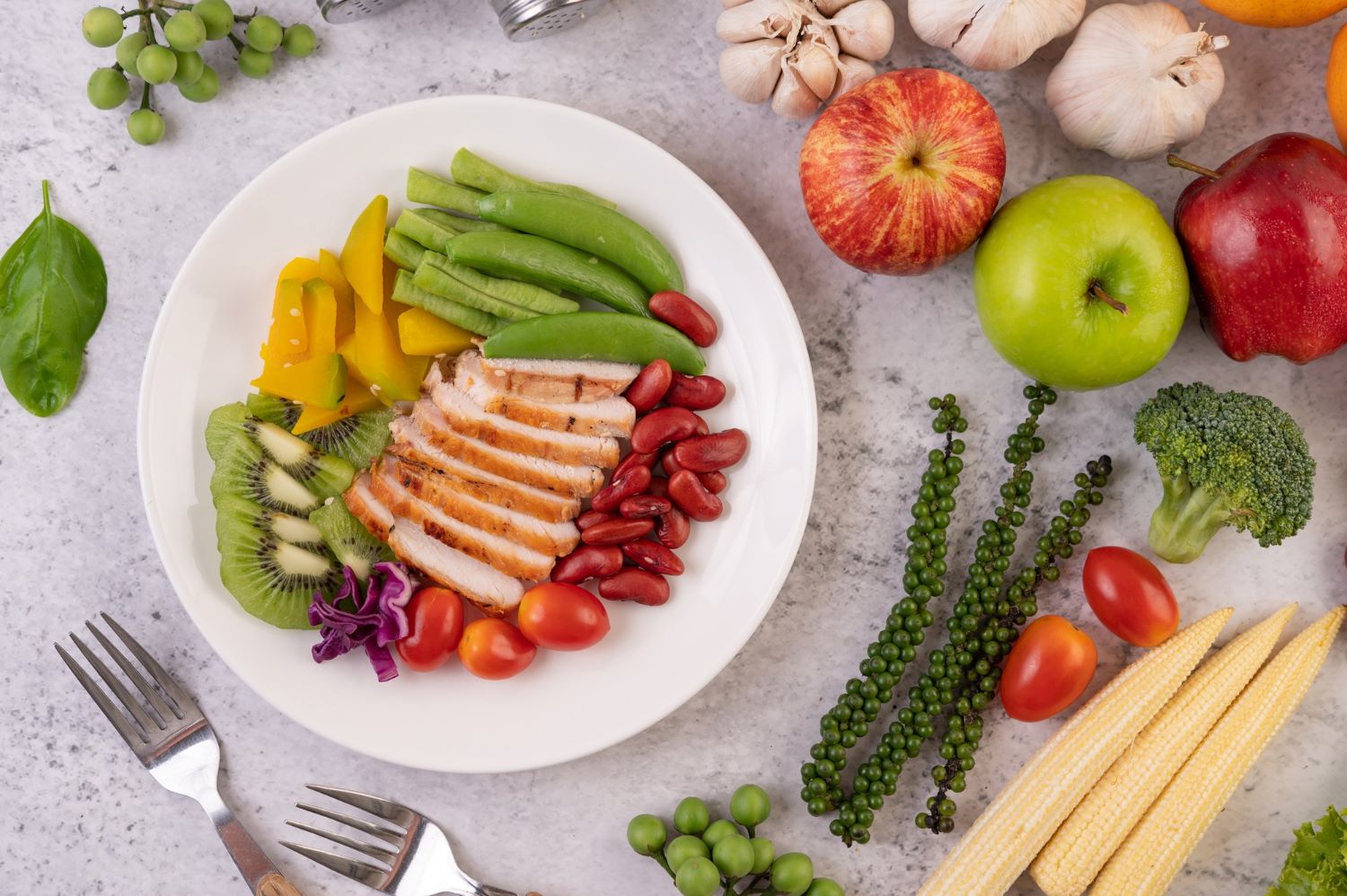
- Whole, minimally processed foods
- A variety of vegetables
- Fruits and whole grains
- Quality protein sources
You don’t need a perfect diet, just a more balanced one.
Instead of asking “What should I remove?”, try asking “What can I add in?”
Step 2: Don’t Fear Fibre, Just Introduce It Slowly
Fibre is essential for gut health because it feeds beneficial bacteria.
But if you’re new to it, increasing fibre too quickly can cause discomfort.
Start with:
- Adding one extra vegetable per meal
- Choosing whole grains over refined options
- Including beans or lentils a few times a week
Small changes = better long-term results.
Step 3: Include Gut-Friendly Foods
Certain foods naturally support your gut microbiome.
Beginner-friendly options:
- Yoghurt (unsweetened)
- Kefir
- Sauerkraut
- Kimchi
These foods introduce beneficial bacteria, but you don’t need large amounts.
Consistency matters more than quantity.
Step 4: Look Beyond Food (Your Lifestyle Matters Too)
Gut health isn’t just about what’s on your plate.
Other key factors include:
- Stress levels
- Sleep quality
- Hydration
Chronic stress, in particular, can disrupt digestion and gut balance.
Simple starting points:
- Take a daily walk
- Prioritise sleep routines
- Drink enough water throughout the day
Step 5: Keep It Simple (Seriously)
One of the biggest mistakes beginners make is trying to do everything at once.
You don’t need:
- A restrictive diet
- Multiple supplements
- A complicated plan
Instead, focus on:
- One or two small changes at a time
- Building habits you can stick to
Your gut responds best to consistency, not perfection.
Do You Need Supplements as a Beginner?
This is one of the most common questions around gut health for beginners.
The short answer: not always.
While supplements can be helpful in certain situations, they’re not the starting point.
Food and lifestyle should come first.
If needed, supplements should be:
- Personalised
- Evidence-based
- Used with guidance
When to Get Personalised Support
If you’ve started making changes but still feel unsure, that’s completely normal.
Gut health is not one-size-fits-all.
Having personalised support can help you:
- Cut through the noise
- Understand what your body needs
- Build a plan that actually works for you
You can explore personalised guidance on my website.
Final Thoughts
Starting your gut health journey doesn’t need to feel overwhelming.
If you’re a beginner, remember:
- You don’t need to do everything at once
- Small changes add up
- Simplicity is powerful
Focus on building a strong foundation, and let progress follow.